Temple of Literature: A Must-Visit Attraction in Hanoi – Complete Visitor Guide (2026)
Is the Temple of Literature worth visiting? Yes. Founded in 1070, the Temple of Literature (Van Mieu – Quoc Tu Giam) is Hanoi’s most beautiful historic site and home of Vietnam’s first university. Its five walled courtyards, ponds and stone stelae honouring the country’s scholars can be seen in about an hour, it is open every day from 08:00 to 17:00, and an adult ticket costs 70,000 VND (about US$2.70). For Muslim visitors it is a peaceful cultural stop rather than a place of worship, best combined with the mausoleum and lunch in the Old Quarter.
Why the Temple of Literature Is a Must-See in Hanoi
- It is one of the oldest surviving buildings in Hanoi, dedicated to learning rather than to a deity.
- The 82 doctoral stelae on stone turtles are listed in UNESCO’s Memory of the World Register.
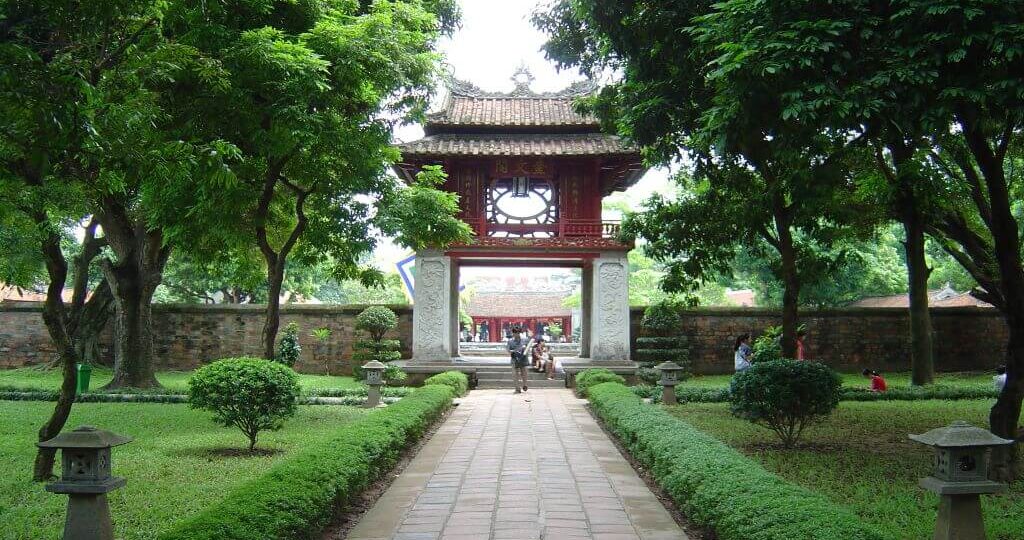
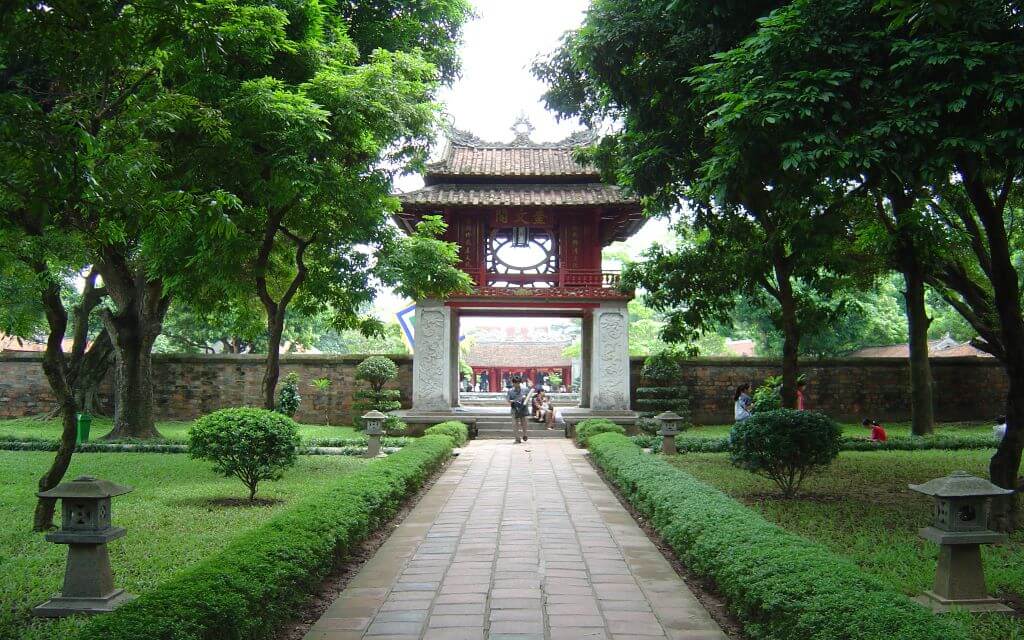
- The Khue Van Cac pavilion (1805) appears on Hanoi’s emblem and the 100,000-dong banknote.
- Calm gardens in the middle of the city, ideal for families and photography.
Temple of Literature at a Glance
| Address | 58 Quoc Tu Giam Street, Hanoi (main gate on Quoc Tu Giam Street) |
| Opening hours | Daily 08:00–17:00 (last entry around 16:30) |
| Entrance fee | Adults 70,000 VND (≈ US$2.70); students aged 16+, seniors 60+ and people with disabilities 35,000 VND; children under 16 free |
| Free day | 23 November (Vietnam Cultural Heritage Day) |
| Night tour | Evening light-and-heritage tours run on selected evenings; check vanmieu.gov.vn for current days and prices |
| Time needed | 1–1.5 hours |
| Dress code | Shoulders and knees covered; hats off inside the shrines |
| Photography | Allowed; touching the stelae and turtle heads is forbidden |
| Distance to Al-Noor Mosque | About 2.5–3 km, 10–15 minutes by car |
History: Vietnam’s First University
Emperor Ly Thanh Tong built the temple in 1070 to honour Confucius and scholars, and in 1076 the Imperial Academy (Quoc Tu Giam) opened beside it as the country’s first university, first for royal sons and later for talented students from all over the kingdom. From 1484, under Emperor Le Thanh Tong, the names of successful doctoral candidates were carved on stone stelae. Today 82 stelae survive, recording the national examinations held between 1442 and 1779. They were added to UNESCO’s Memory of the World Register in 2011.
What to See: The Five Courtyards
1. Great Portico and the First Courtyard
The triple gateway on Quoc Tu Giam Street opens onto a garden of lawns and old trees, a quiet start away from the traffic.
2. Khue Van Cac (Constellation of Literature Pavilion)
Built in 1805, this elegant two-storey pavilion with round windows symbolises the brilliance of Vietnamese literature and is the emblem of Hanoi.
3. The Well of Heavenly Clarity and the Doctors’ Stelae
A square pond reflects the pavilion. On either side stand the 82 stelae on stone turtles, symbols of longevity and wisdom. Exam season (May–June) brings students who come to wish for good results.
4. House of Ceremonies and the Sanctuary
The fourth courtyard holds the main hall with altars to Confucius and his disciples. Incense is burned here; visitors may simply look in from the doorway.
5. Thai Hoc: the Former Imperial Academy
The last courtyard was rebuilt in 2000 on the site of the old academy. Upstairs are altars to the emperors who founded and supported the school, and a large bronze bell and drum.
Tips for Muslim Travellers
- The temple is a Confucian memorial with statues and altars; you are not expected to take part in any ritual. Many Muslim visitors simply enjoy the architecture and gardens.
- There is no prayer space on site. Plan your prayer at Al-Noor Mosque (12 Hang Luoc Street) or at your hotel.
- The temple is a good stop between the mausoleum (morning) and a halal lunch in the Old Quarter; see our halal restaurants in Hanoi.
- Modest dress, including hijab, suits the site perfectly.
How to Get There
Getting to the Temple of Literature
| From Hoan Kiem Lake | About 2–2.5 km: 10 minutes by Grab, 25–30 minutes on foot |
| From Ho Chi Minh Mausoleum | About 1.5 km, 5–10 minutes by car |
| With a tour | Hanoi City Muslim Tour 1 Day |
Best Time to Visit and Insider Tips
- Arrive at 08:00 or after 15:30 for soft light and fewer groups.
- Expect crowds of graduating students in May–June and families around Tet.
- Look for the calligraphers near the gate; you can ask for your name or a phrase in Vietnamese calligraphy.
- Combine with the nearby Vietnam Fine Arts Museum or the mausoleum complex.
Plan Your Visit with Hanoi Muslim Tours
Every Hanoi Muslim Tours itinerary is private and planned around prayer times, with halal meals booked in advance and an English-speaking guide who knows which sights suit Muslim families. See our Hanoi travel guide for Muslim travellers, browse Hanoi City Muslim Tour 1 Day, Hanoi Muslim tour packages, or Contact Hanoi Muslim Tours Team for a free custom itinerary.
Frequently Asked Questions about the Temple of Literature
1. How much is the Temple of Literature ticket?
70,000 VND for adults (about US$2.70). Students over 16, seniors and people with disabilities pay half; children under 16 are free.
2. What are the opening hours?
Every day from 08:00 to 17:00, with last entry around 16:30.
3. Is the Temple of Literature a religious site?
It is a Confucian temple honouring Confucius and scholars, with altars and incense, but it is visited mainly as a historic and cultural site.
4. How long do I need?
About 1 to 1.5 hours to walk through all five courtyards.
5. Why is it called Vietnam’s first university?
The Imperial Academy opened here in 1076 and trained the country’s scholars and officials for centuries.
6. What are the stone turtles?
82 stone stelae on turtle backs list the names of doctoral graduates from 1442 to 1779; they are UNESCO Memory of the World documents.
7. What should I wear?
Clothes that cover shoulders and knees. Modest Muslim dress is ideal.
8. Can I take photos?
Yes, photography is allowed, but do not touch the stelae or turtle heads.
9. Is there a night tour?
Yes, on selected evenings; check the official website for the latest schedule.
10. Where can I pray nearby?
Al-Noor Mosque on Hang Luoc Street, about 15 minutes by car.